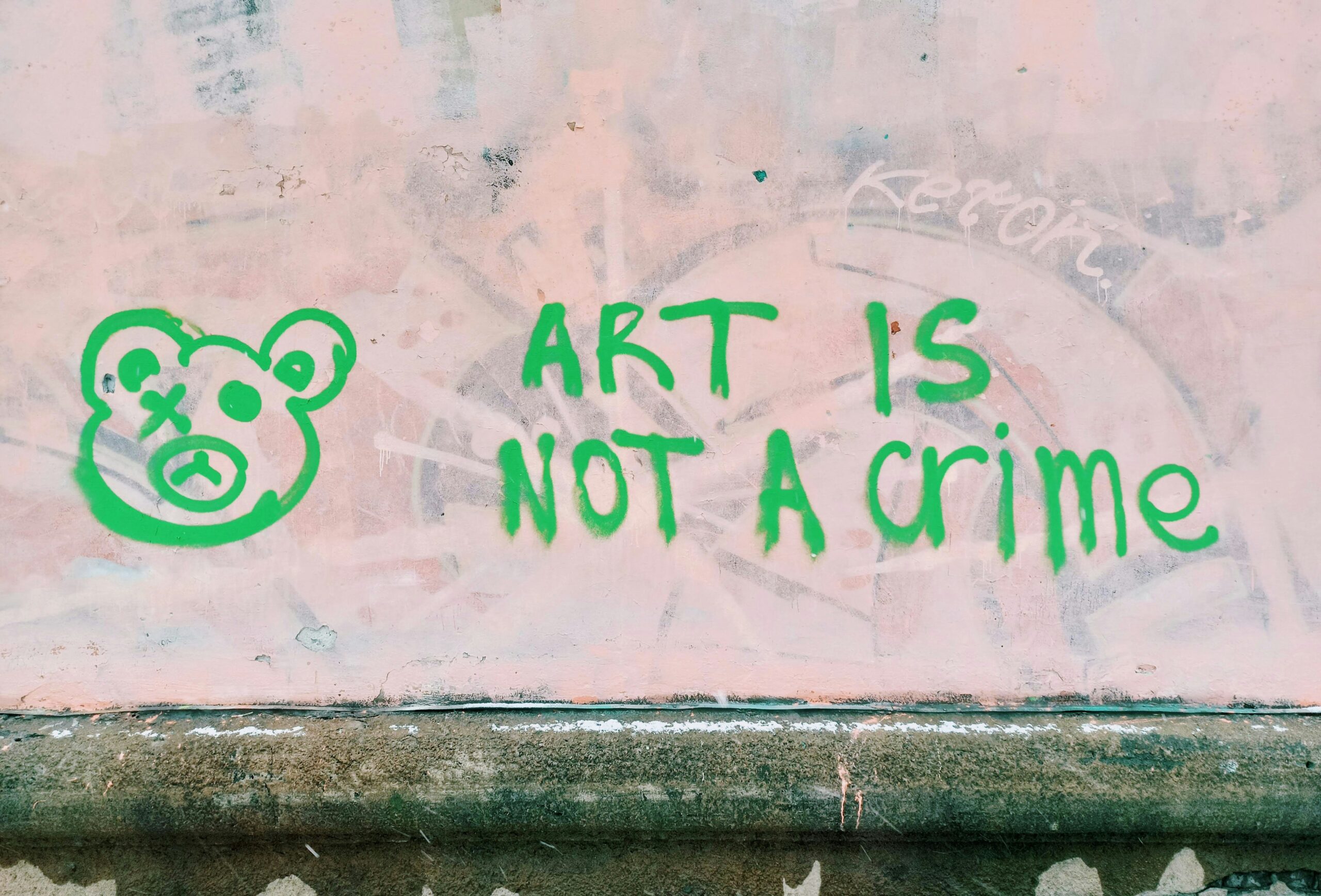
I have a few personal commitments to how I approach art (“art” here meaning anything from books to movies to music to poetry). One is that I am firmly committed to let people like what they like, and dislike what they dislike. I’m happy to give an argument for why I like or dislike something, but after the widespread (and, to me, baffling) public hatred of The Last Jedi, I just figured it isn’t worth trying to convince someone to have the same opinion as me. The other deeply held conviction I have is that we shouldn’t be Art Donatists.
Donatism was a heretical sect that sprung up in the 4th century in Northern Africa. The thing that they insisted upon (that ultimately made them heretical) was that sacraments are not valid when performed by unworthy ministers. That is, if your priest had buckled under persecution and offered incense as an act of worship to the emperor, or handed over their Bibles to the Romans to be confiscated, then their sacraments weren’t valid. The sinfulness of that priest would negate the sacrament. Augustine famously argued against the Donatists, saying that the sacraments were based on God’s grace, not the virtue of the particular priest. This position is what is now held by all major streams of Christianity.
I think the same can and should be said of art. Art is, of course, not a Sacrament like the Eucharist or Baptism. But I definitely think that art can be “sacramental” – a way in which we encounter God’s goodness and grace. Anything that is beautiful or good or true ultimately directs us towards God who is Good, Beautiful, and True. So I want to push against the trend of collective social bans on the artwork of notoriously bad people, because I think the work itself should stand on its own as a way we can encounter goodness. So you don’t have to stop listening to good music because the musician turned out to be a creep. You don’t have to stop reading your favorite books when you learn you vehemently dislike the author’s political opinions. The value and impact of the art can still be good, even when you don’t like the artist.
I think part of the reason we feel the impulse to avoid art from problematic artists “aside from social pressure) is that we have a hard time differentiating between enjoying art and being a “fan”. When you are a fan of someone, you have to have to rally behind them and defend them. Engaging with their artwork requires you to identify with them, and all of their hot takes and public stances. What I’m suggesting is that we create the helpful distinction between artist and artwork, we can free ourselves from having to do biographical research as to whether or not the artist is virtuous enough so that we are allowed to like their work. Because, in the end, the artwork can still direct our hearts towards beauty and virtue, even when the artist doesn’t.
Some important clarifications: first, no one has to force themselves to overcome personal hangups and like any particular piece of art. In the same way that I would never insist that someone receive communion from a priest that has personally hurt them, I would never insist that someone who has personal issues with an artist or their actions has to continue to like their work. If you can’t help but think of the artist when engaging with their work, then you are free to not read/listen/watch their stuff anymore!
Also, when artists become public figures, you can still criticize their public actions. Not being an Art Donatist simply means that you don’t have to stop liking and enjoying art just because the artist is discovered to be a terrible person. But you are free to still call a spade a spade.
Lastly, I think it is good and right to reject art when the process of making the art is harmful. For instance, if a good performance was extracted from an actor by way of abuse, or when video games studios use “crunch time” to get products launched on time. Of course, that is a much harder stance to take, and if we let it extend to our other consumer choices, we might not like what we actually have to give up. But I think abusive work conditions is a far better hill to fight on than the personal beliefs or behavior of the artist.
Photo by Natalie Dmay on Unsplash